
2026-10-11 ·
Keeping Your Waxahachie AC Running Smoothly: A Homeowner's Checklist
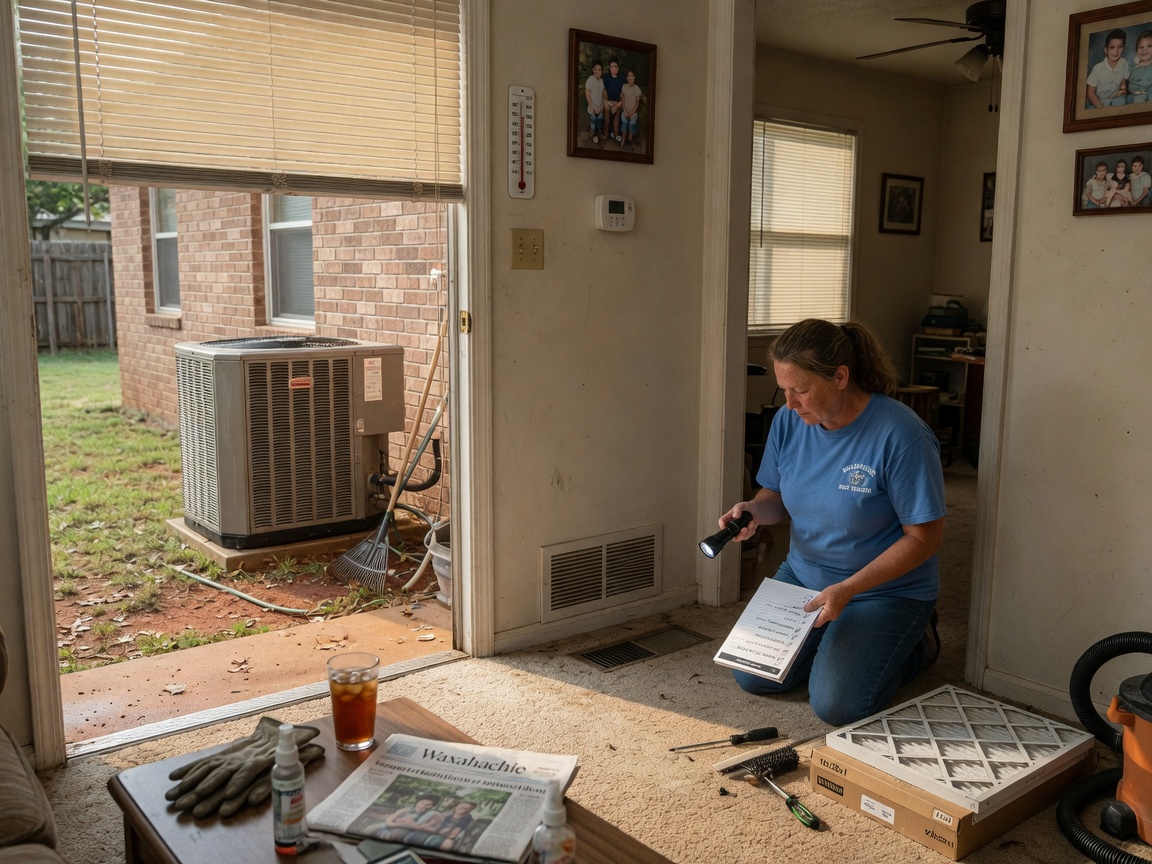
Keeping your Waxahachie AC running smoothly throughout our notoriously hot summers and frequent spring storms primarily involves regular, simple maintenance tasks you can do yourself, combined with an annual professional tune-up. Homeowners should aim to check their air filter monthly, clean outdoor units quarterly, and schedule a professional inspection each spring before temperatures consistently hit the 80s and 90s. This proactive approach can extend your unit's lifespan, improve efficiency, and help you avoid unexpected breakdowns when you need cooling most, whether you're in Historic Downtown or out near Getzendaner Park. Neglecting these steps can lead to decreased performance, higher energy bills, and costly repairs down the line, especially for older homes in areas like Northside or South Waxahachie where original HVAC systems might be less robust.
Regular Filter Replacement is Crucial
One of the simplest yet most impactful maintenance tasks for any Waxahachie homeowner is regularly replacing their AC's air filter. A clogged filter restricts airflow, forcing your system to work harder, which increases energy consumption and reduces cooling efficiency. In Ellis County, where we experience significant dust and pollen, especially during spring, filters can become dirty faster than you might expect. We recommend checking your filter monthly and replacing it every 1–3 months, depending on your household's activity levels and whether you have pets. For homes with pets or those near agricultural areas outside of town, like towards Ennis or Midlothian, a monthly change might be necessary. This small step can prevent major issues like a frozen evaporator coil, which is a common service call we get when airflow is severely restricted. You can find replacement filters at most local hardware stores in various MERV ratings; consult your system's manual for the recommended MERV rating.
Keep Your Outdoor Unit Clean
Your outdoor AC unit, also known as the condenser, works hard to dissipate heat from your home. Over time, it can accumulate dirt, leaves, grass clippings, and other debris, especially if it's located near landscaping or exposed to the elements common in our area, including the dust blown in by spring storms. We advise homeowners to visually inspect their outdoor unit at least quarterly. Before cleaning, always ensure the power to the unit is completely shut off at the thermostat and the circuit breaker. Gently clear away any visible debris from around the unit and use a garden hose to rinse off the condenser fins. Be careful not to bend the delicate fins; a gentle spray is usually sufficient. Keeping the unit clear of obstructions, like overgrown bushes or fences, also ensures proper airflow, which is essential for efficient operation. This simple cleaning can significantly improve your AC's ability to cool your home, from homes near the Ellis County Courthouse to those closer to Red Oak.
Clear the Condensate Drain Line
The condensate drain line is responsible for removing humidity that your AC pulls from the air inside your home. In our humid Texas climate, especially during the peak summer months, this line can become a breeding ground for algae and mold, leading to clogs. A clogged drain line can cause water to back up into your home, potentially damaging ceilings, walls, and flooring, or trigger your system's safety shut-off switch, leaving you without cooling. You can often prevent clogs by pouring a cup of distilled vinegar mixed with a cup of water down the condensate drain line every few months. Locate the PVC pipe that typically exits near your outdoor unit or in your attic. If you notice standing water around your indoor unit or a musty smell, it's a strong indicator of a clog. Addressing this promptly can save you from more significant water damage and the inconvenience of a non-functional AC. For persistent issues, professional assistance may be needed to thoroughly clear the line and prevent future blockages.
Schedule Annual Professional Maintenance
While DIY tasks are essential, they don't replace the thorough inspection and tune-up a professional HVAC technician provides. We recommend scheduling annual Air Conditioning Tune Up and Maintenance every spring, ideally before the intense heat of June, July, and August sets in. A professional will check refrigerant levels, inspect electrical connections, lubricate moving parts, calibrate your thermostat, and assess the overall health of your system. This comprehensive check can identify potential issues before they escalate into costly breakdowns, such as a failing capacitor or a refrigerant leak. For example, older homes in the Historic Downtown area often have systems that benefit greatly from these regular checks, as they might be working harder to cool less insulated spaces. A well-maintained system runs more efficiently, extending its lifespan and keeping your energy bills manageable throughout the long Waxahachie summer.
Monitor Your Thermostat Settings
Your thermostat is the brain of your AC system, and how you use it significantly impacts efficiency and comfort. While it might be tempting to set your thermostat to a very low temperature when you first get home, this doesn't cool your house faster; it only makes your system run longer. Instead, aim for a consistent, comfortable temperature, typically between 75–78°F during the day when you're home. Consider investing in a smart thermostat, which can learn your habits and adjust temperatures automatically, saving energy when you're away or asleep. Many newer homes around Getzendaner Park are already equipped with these, but older properties can benefit greatly from an upgrade. Programming your thermostat to raise the temperature a few degrees when you're out of the house can lead to significant energy savings without sacrificing comfort. For more advanced control and efficiency, consider exploring Thermostat Repair and Smart Installation options.